How Precision Laser Cutting Helps Produce Complex Metal Components
Precision laser cutting allows manufacturers to produce complex metal components with intricate shapes, accurate dimensions and consistent results. For businesses requiring a laser cutter in Dubbo, this technology can reduce material waste, minimise additional processing and streamline production.
At Agriweld Engineering, we provide precision laser cutting and metal fabrication services for projects across Dubbo and the Central West. From custom brackets to industrial machinery parts, laser cutting helps turn detailed designs into functional components.
How Precision Laser Cutting Works
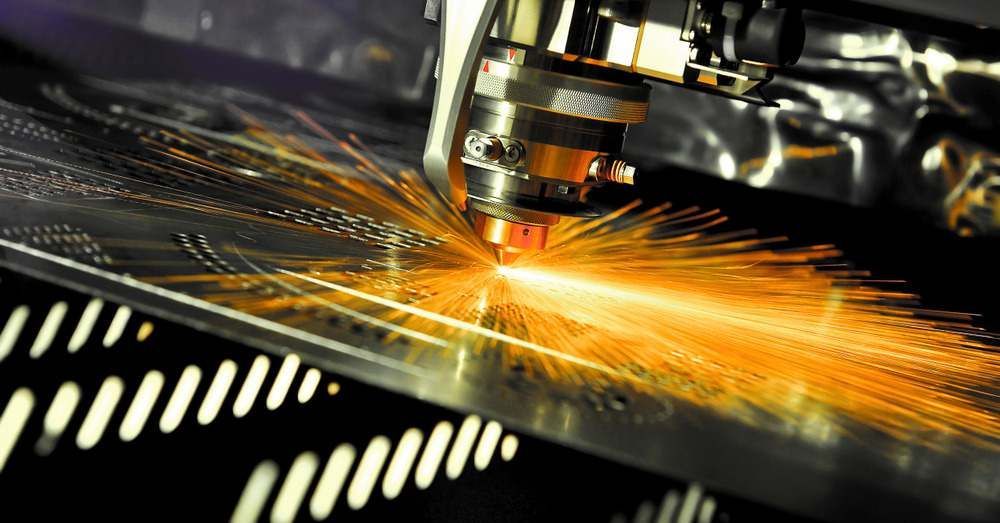
Precision laser cutting uses a concentrated beam of light to cut metal according to a computer-controlled design. The laser generates intense heat, melting material along a programmed cutting path.
The process involves four main stages:
- Digital design: A computer-aided design (CAD) file defines the component's dimensions and shape.
- Programming: Cutting software converts the design into machine instructions.
- Laser cutting: The laser follows the programmed path to cut the material.
- Inspection: Finished components are checked against the required specifications.
Unlike mechanical cutting tools, the laser does not physically contact the metal, reducing mechanical stress and allowing intricate features to be produced.
Metals and Materials Suited to Laser Cutting
Laser cutting is suitable for several metals used in manufacturing, construction and industrial fabrication. Common materials include:
- Mild steel: Used for brackets, machinery components, structural parts and general fabrication.
- Stainless steel: Suitable for corrosion-resistant components, equipment parts and specialised fittings.
- Aluminium alloys: Often selected for lightweight components, equipment housings and machinery parts.
Material thickness, composition and the required finish influence cutting performance. Selecting the appropriate metal also involves considering strength, corrosion resistance and operating conditions.
Producing Intricate Shapes, Holes, Slots and Custom Components
One of the main advantages of precision laser cutting is its ability to produce detailed shapes that may be difficult or time-consuming using conventional equipment.
Complex Shapes and Profiles
Laser cutting follows curved, angled and irregular paths to manufacture customised components. This is particularly useful for machinery panels, decorative metalwork and parts designed to fit existing equipment.
For example, an agricultural machinery manufacturer might require a mounting plate with curved edges, multiple holes and precisely positioned slots. Laser cutting can produce these features from a single digital design.
Accurate Holes and Slots
Precisely positioned openings are essential for components requiring bolts, fasteners or mechanical connections. Laser cutting can create these features during the initial cutting process, although particularly tight tolerances may require additional machining.
Custom and Repeat Components
Once programmed, a design can be reused to manufacture additional components with consistent dimensions. This makes laser cutting useful for prototypes, replacement parts and repeat production runs.
Learn more in our previous article, The Impact of Laser Cutting on Design Flexibility.
Laser Cutting vs Traditional Cutting Methods
Laser cutting offers several advantages over conventional cutting methods, particularly for intricate designs and repeat production.
- Laser cutting is effective for detailed profiles, small openings and components requiring dimensional accuracy. Its narrow cutting path can also reduce material removal.
- Plasma cutting is commonly used for conductive metals and may be more economical for thicker materials or less detailed components.
- Oxy cutting is generally suited to thicker carbon steel sections where intricate profiles are unnecessary.
- Mechanical cutting, including sawing and shearing, remains useful for straightforward cuts that do not require complex shapes.
The most suitable method depends on material thickness, design complexity, production volume and required tolerances.
Reduced Waste, Tighter Tolerances and Faster Production
Precision laser cutting can improve manufacturing efficiency by reducing unnecessary material removal and limiting additional processing.
Reduced Material Waste
Laser cutting software can arrange multiple components across a metal sheet through a process called nesting. This improves material utilisation and reduces offcuts, particularly when producing several components from the same material.
Tighter Tolerances
Computer-controlled cutting provides repeatable cutting paths, helping maintain consistent dimensions between components. However, achievable tolerances depend on material thickness, design complexity and cutting conditions.
Faster Production
Laser cutting can reduce the number of separate operations required to manufacture detailed parts. For example, a component with multiple openings and an irregular outer profile may be cut in one programmed operation rather than requiring separate drilling and shaping processes.
Industries That Rely on Precision Laser Cutting
Precision laser cutting supports industries requiring customised components, repeatable dimensions and efficient metal fabrication.
Common applications include:
- Agriculture: Machinery brackets, replacement panels and equipment guards.
- Mining: Equipment components, protective covers and heavy-duty machinery parts.
- Construction: Steel brackets, connection plates and architectural metalwork.
- Manufacturing: Machine housings, production components and equipment assemblies.
- Automotive: Custom brackets, mounting components and specialised parts.
- Engineering: Prototypes, precision plates and components manufactured to technical drawings.
For businesses throughout Dubbo and the Central West, working with a local fabrication provider can also simplify communication about specifications and design changes.
When Laser Cutting Is the Right Choice for Your Project
Laser cutting is particularly suitable for projects involving complex shapes, repeated components or detailed dimensional requirements.
Consider laser cutting when:
- Components require intricate internal or external profiles.
- Multiple identical parts must be manufactured.
- Accurate holes and slots are needed for assembly.
- Material waste needs to be minimised.
- Custom prototypes or replacement components are required.
- Additional drilling or finishing could be reduced.
However, laser cutting is not always the most economical option. Simple cuts in particularly thick steel may be better suited to alternative methods.
Before selecting a process, consider the component's function, material thickness, tolerances and additional fabrication requirements.
Understanding
common laser cutting mistakes can also help prevent problems involving unsuitable materials, incorrect settings and poorly prepared designs.
Partnering With an Experienced Steel Fabrication Company
Producing complex metal components involves more than selecting the right cutting equipment. Material selection, design preparation and additional fabrication processes all influence the finished result.
Working with a company offering multiple fabrication services can simplify production and reduce the need to coordinate separate suppliers.
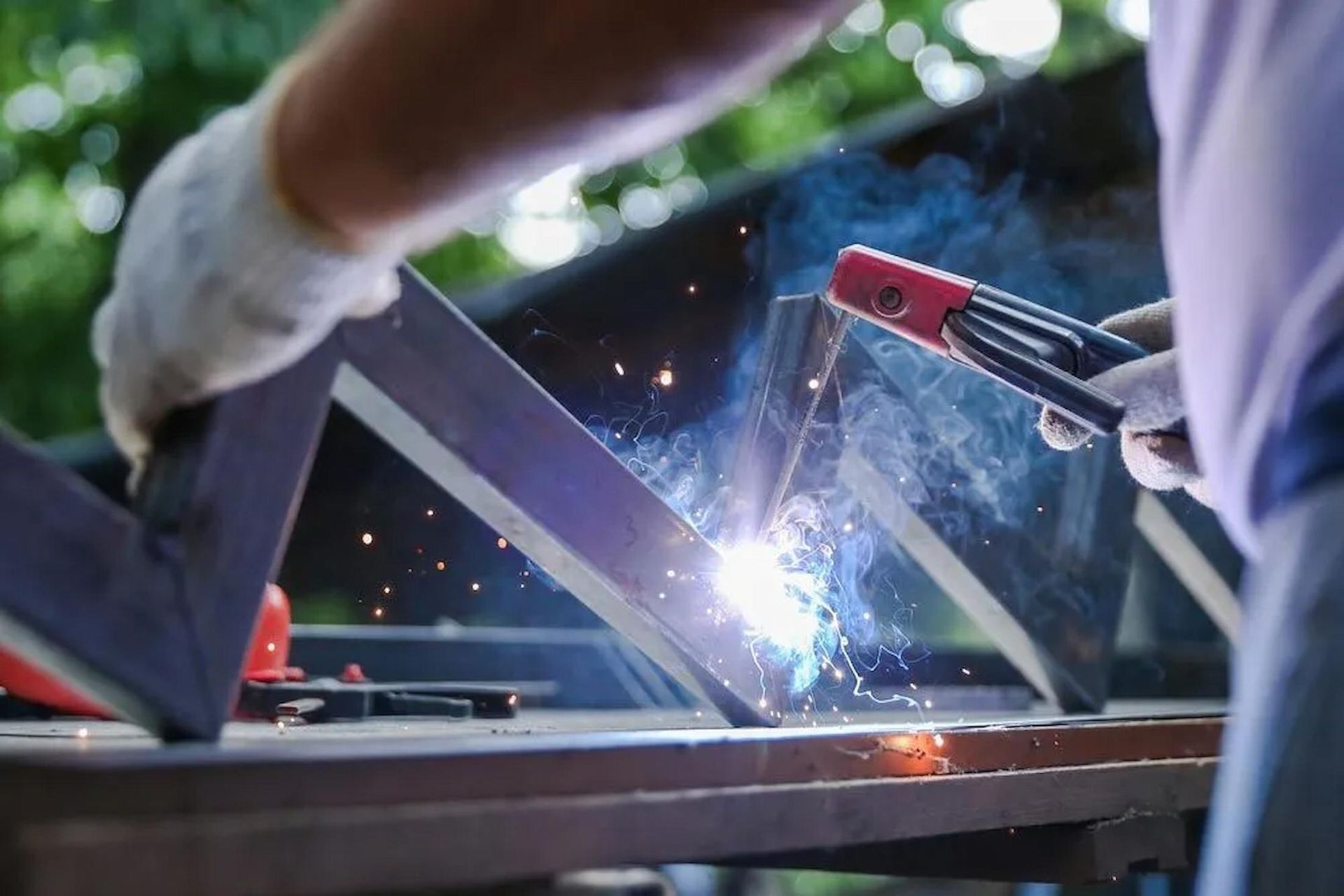
At Agriweld Engineering, we provide laser cutting alongside other metal fabrication services. Once components are cut, our welding in Dubbo can support their assembly into finished metal structures or equipment components.
Our team can also discuss project specifications and help determine suitable fabrication methods.
Discuss Your Laser Cutting Project
Precision laser cutting offers an effective way to manufacture complex metal components while supporting accurate dimensions, consistent production and efficient material use.
At
Agriweld Engineering, we provide laser cutting and metal fabrication services for businesses across Dubbo and the Central West. Whether you need custom machinery parts, detailed steel profiles or repeat production components, contact our team today to discuss your requirements and
request a quote.
Frequently Asked Questions
Can laser cutting produce small, detailed metal components?
Yes. Laser cutting can produce small components with intricate profiles, holes and slots. However, minimum feature sizes depend on material thickness and cutting equipment.
Do I need a CAD drawing for laser cutting?
A CAD drawing helps define the dimensions and geometry required for cutting. If you only have a sketch or sample, discuss the design requirements with the fabrication team.
Does laser cutting leave rough edges?
Laser cutting generally produces clean edges when the equipment and settings suit the material. Some components may still require deburring or additional finishing.
Can laser-cut components be bent or welded afterwards?
Yes. Laser-cut components can undergo additional fabrication, including bending and welding. Designs should account for material properties and assembly requirements.
Is laser cutting suitable for one-off prototypes?
Yes. Laser cutting can manufacture individual prototypes directly from digital designs, allowing engineers to assess fit and functionality before larger production runs.