Steel Fabrication Dubbo: Industries That Benefit From Custom Fabrication
Steel is everywhere in regional Australia, holding up sheds, carrying loads and withstanding heat and pressure across industries that simply cannot afford failure. For the businesses and organisations that depend on it, off-the-shelf components rarely cut it. Steel fabrication in Dubbo has become a cornerstone service for a wide range of sectors across the Central West, where the work is hard, the conditions are tough and the margin for error is slim. From farms running complex machinery to councils building public infrastructure, the demand for precision-made steel components is constant and growing. What follows is a look at which industries rely on custom fabrication and why the quality of that work matters so much.
Why Custom Steel Fabrication Matters in the Central West
One-size-fits-all rarely fits anything well, particularly in regional industries where equipment has to perform in demanding, often unpredictable environments. Custom fabrication gives businesses control over dimensions, material selection and structural performance in ways that catalogue products simply cannot offer.
When components are built to exact specifications, several advantages follow:
- Parts fit precisely without modification or improvisation on site
- Material grade can be matched to the specific load, wear or corrosion environment
- Lead times can be managed around project or harvest schedules
- Replacement parts can be reproduced to the same specification when needed
- Structural integrity is maintained across the full assembly, not just individual components
No matter the industry, steel fabrication Dubbo businesses trust starts with components built to your exact specifications.
Agriculture: Fabricated Equipment Built for Farm Conditions
Farming equipment takes a relentless beating. Grain augers, header components, water infrastructure, stock yards, loading ramps and machinery guards all need to withstand long hours, abrasive soils, UV exposure and the sheer mechanical stress of daily agricultural work. Catalogue parts often compromise on dimensions or material weight, which shows up quickly under real working conditions.
Custom fabrication gives agricultural businesses components designed for the actual task at hand:
- Chute and hopper liners sized precisely to existing equipment
- Reinforced wear plates for earthmoving and tillage attachments
- Structural frames for sheds, silos and grain storage infrastructure
- Customised guards, brackets and mounting hardware for older machinery
- Stock handling equipment built to specific mob sizes and yard configurations
To understand why mild steel remains a popular choice across these industries, see our guide on the practical uses and benefits of mild steel in fabrication.
Construction and Infrastructure: Structural Steel and Platforms
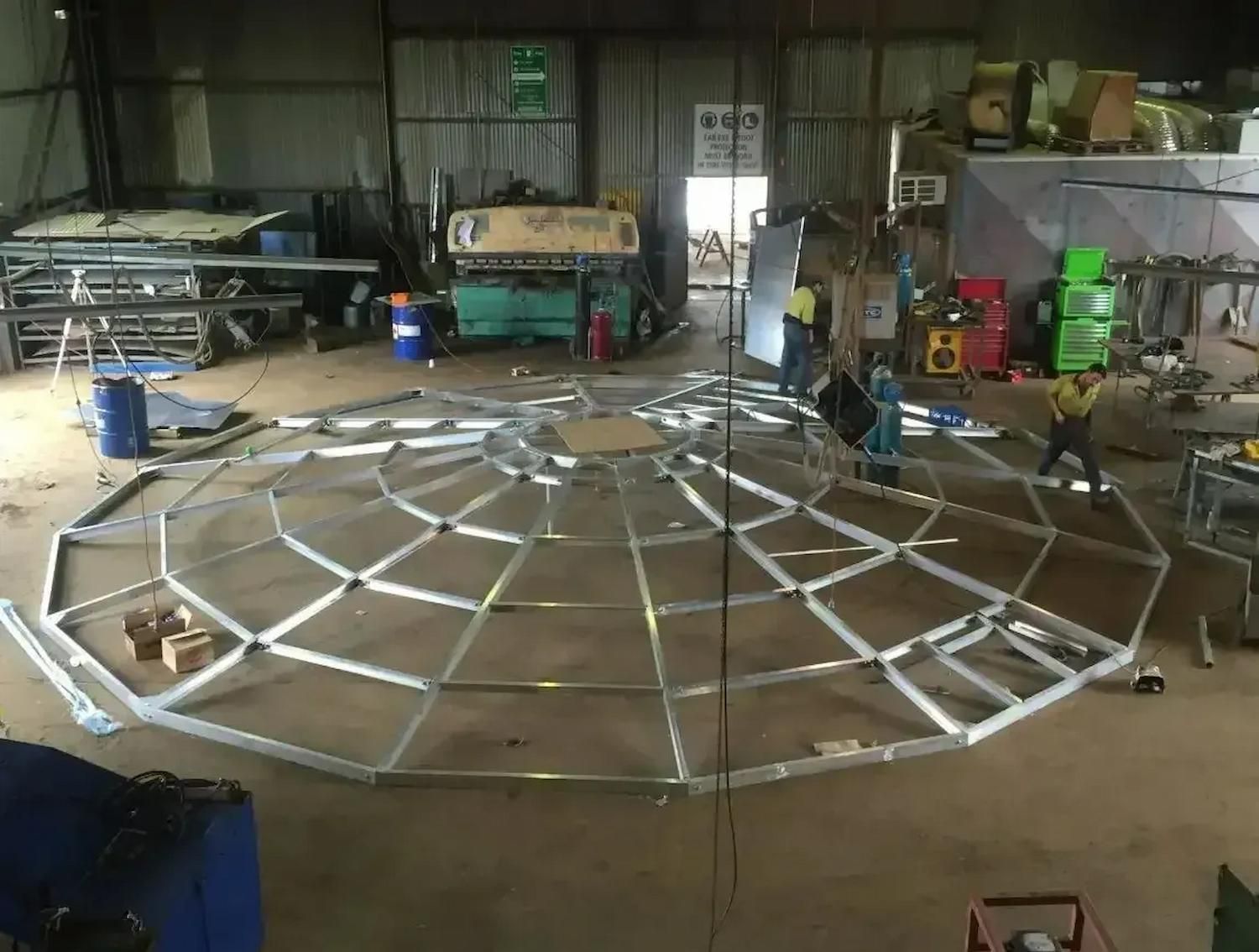
The construction sector relies heavily on structural steel for framing, platforms, access systems and load-bearing elements across commercial, industrial and civil projects. Unlike residential builds, commercial and industrial construction typically involves non-standard layouts, challenging load requirements and site conditions that demand fabrication rather than off-the-shelf solutions.
Fabricated structural components used across construction projects include:
- Steel columns, beams and portal frame components
- Mezzanine floors and elevated work platforms
- Staircases, walkways and access ladders
- Handrails, balustrades and safety barriers
- Connection plates and base plates for structural anchoring
Every fabrication project is backed by expert welding Dubbo services to ensure lasting, structurally sound results.
Mining: Durable Components for Demanding Environments
Mining operations place extraordinary demands on the materials and components they rely on. High-impact loading, abrasive materials, constant vibration and exposure to harsh chemicals mean that standard-grade steel often fails prematurely. In mining, equipment downtime translates directly to lost production, so the durability of fabricated components is not a secondary concern.
Custom fabrication for mining applications prioritises material selection and build quality above all else:
- Chutes, hoppers and wear liners fabricated from hardened plate
- Conveyor frames and transfer stations built to operational tolerances
- Structural supports and equipment skids for processing plant
- Custom guards and safety enclosures for rotating machinery
- Replacement components manufactured to match original specifications
For mining and heavy industry projects facing constant wear, we also supply Bisalloy and wear plates built to withstand tough conditions.
Manufacturing and Transport: Brackets, Trailers and Machinery Parts
Manufacturers and transport operators share a common challenge: standard components from suppliers rarely match the specific dimensions or load ratings their equipment demands. A trailer running the wrong axle spacing, a bracket fabricated to the wrong gauge or a machinery guard with insufficient clearance can all create operational or safety problems downstream.
Custom metal fabrication addresses these gaps directly across both sectors:
- Trailer chassis, drawbars and load-bearing cross members
- Toolboxes, storage compartments and under-body fittings for work vehicles
- Custom jigs, fixtures and production tooling for manufacturing processes
- Machinery guards, safety screens and enclosures
- Replacement parts for older plant where original components are no longer available
Turnaround time matters in transport and manufacturing, and a local fabricator who understands operational deadlines can make a real difference to project timelines.
Local Government and Public Infrastructure Projects
Councils and public infrastructure authorities have a distinct set of requirements: fabricated components must meet relevant standards, integrate with existing infrastructure and hold up under public use over many years. From park furniture and public amenities to road infrastructure and water treatment facilities, the scope of work touching the public sector is broad.
Common fabrication requirements for public infrastructure include:
- Bollards, barriers and traffic management structures
- Grates, frames and covers for stormwater and drainage systems
- Access ladders and platforms for water and wastewater infrastructure
- Custom signage frames, shelters and street furniture
- Structural components for bridges, boardwalks and public access areas
Compliance with Australian Standards is a baseline expectation for any council-related fabrication, and working with an experienced fabricator reduces the risk of costly rework or non-compliant installations.
Advantages of Custom Fabrication Over Standard Products
Stock items have their place, particularly for simple, repeatable applications. However, across the industries above, the limitations of standard products become apparent quickly. A component that almost fits introduces risk. A material grade that almost suits the environment wears out faster than it should. Custom fabrication removes those compromises.
The practical advantages of choosing custom over stock include:
- Exact dimensional fit reduces installation time and site modification
- Material selection can be optimised for the specific operating environment
- Structural performance is designed in, not assumed
- Components can be produced in small batches without minimum-order constraints
- Documentation and specifications can be retained for future reproduction
Quality metal fabrication in Dubbo that is built to order also tends to outlast generic alternatives, simply because the design accounts for the actual application rather than a generalised use case.
Choosing an Experienced Steel Fabrication Partner
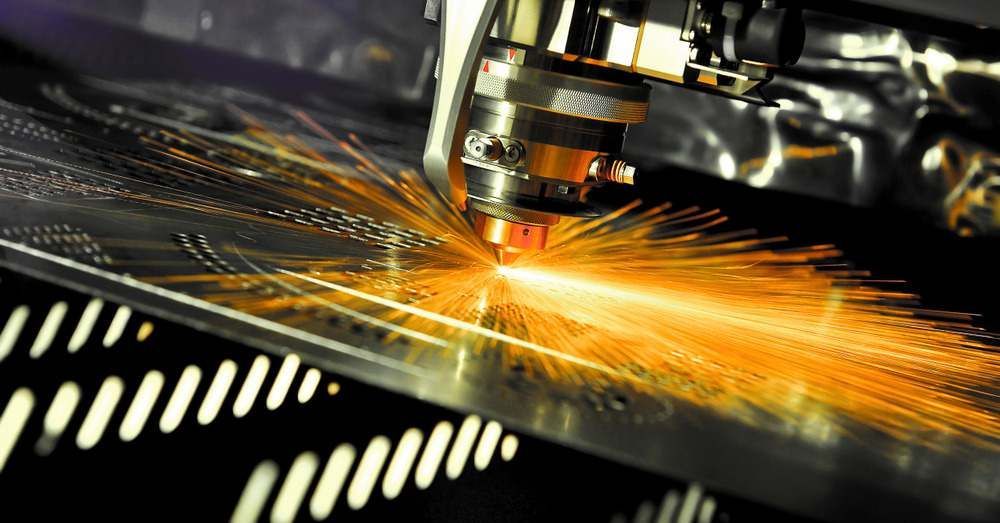
Experience is one of the most reliable indicators of fabrication quality. A workshop that has produced components across agriculture, construction, mining and transport understands the different tolerances, material requirements and finish standards that each industry demands. Broader capability, including plasma cutting, laser cutting, CNC machining and certified welding, also reduces the number of suppliers a business needs to manage.
When evaluating a fabrication partner, it is worth considering:
- The range of materials and plate thicknesses the workshop can handle
- Capability for both prototyping and repeat production runs
- In-house welding certifications and quality processes
- Turnaround times relative to your project schedule
- Whether consultation and design support is available before fabrication begins
A fabricator who combines broad technical capability with genuine industry knowledge consistently delivers better outcomes than a shop handling only one type of work.
Talk to Agriweld Engineering About Your Next Project
We at Agriweld Engineering have been building components and structures for Central West businesses since 1980, working across agriculture, construction, mining, manufacturing, transport and local government. Our Dubbo workshop is equipped to handle projects of all sizes, from a single custom component through to ongoing fabrication support for larger contracts. If you have a project in mind, call us, send an enquiry or stop by to talk through the specifications with our team.