Mild Steel In Fabrication: Practical Uses And Benefits
Steel fabrication projects rarely begin with the final shape in mind. Instead, they start with the material itself. For many engineers and manufacturers, that material is mild steel. Its balance of strength, flexibility and workability makes it one of the most widely used metals across agricultural and industrial fabrication.
Mild steel performs a quiet but essential role in countless structures and machines. Frames, brackets, supports and machinery components all rely on materials that can withstand regular use while remaining practical to fabricate. That combination of durability and practicality explains why mild steel continues to dominate many fabrication environments.
Unlike specialised alloys that require complex handling, mild steel adapts well to standard fabrication processes. It cuts cleanly, welds efficiently and shapes without excessive difficulty. These qualities allow fabrication teams to produce both structural components and custom-built equipment with confidence.
In this guide we explore why mild steel remains central to steel fabrication in Dubbo and beyond, including its structural properties, practical applications and the advantages it offers across agricultural and industrial projects.
Why Mild Steel Remains A Fabrication Workhorse
Few materials appear as frequently in fabrication workshops as mild steel. Its predictable behaviour under cutting, welding and forming makes it a dependable choice for both structural and custom fabrication work. Engineers value its consistency because it allows components to be produced accurately and efficiently.
Mild steel contains a relatively low carbon content, which contributes to its workability. This allows fabricators to shape and modify the material without compromising its strength.
Key characteristics that make mild steel practical include:
- Predictable structural performance
- Compatibility with common fabrication techniques
- Ability to be cut, drilled and formed easily
- Availability in a wide range of profiles and thicknesses
- Suitability for both structural and custom components
These properties explain why mild steel remains central to fabrication work. Its reliability allows fabricators to create components that meet both structural and practical demands.
Strength Without Excess Complexity
Mild steel provides dependable strength without introducing unnecessary complexity into fabrication projects. It supports structural loads while remaining workable for machining and welding. This balance makes it ideal for many industrial and agricultural applications.
Structural reliability matters when components must endure daily mechanical stress. Mild steel performs consistently under these conditions.
Common structural uses include:
- Machinery frames
- Equipment supports
- Brackets and mounting structures
- Access platforms and handrails
- Load-bearing structural components
Because the material offers strength without excessive brittleness, fabricators can build components that remain practical to maintain or repair. This reliability contributes to the continued demand for steel fabrication in Dubbo across multiple industries.
Welding Mild Steel: Why Fabricators Prefer It
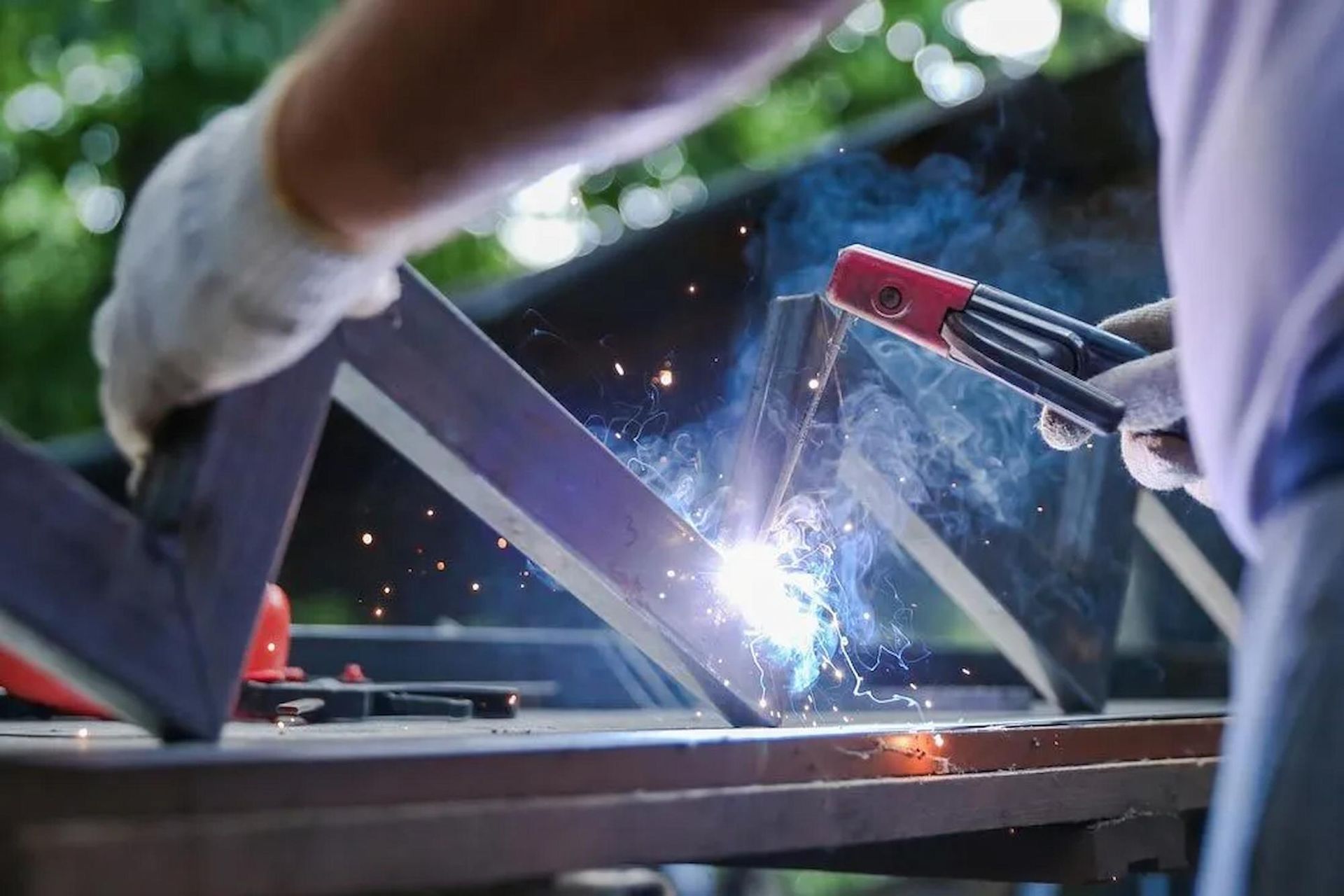
One of mild steel’s most valuable characteristics is its weldability. Fabricators can join components efficiently using standard welding techniques without excessive preparation. This simplifies both fabrication and repair work.
Because the material responds well to welding heat, it forms strong and stable joints. This helps ensure structural integrity across fabricated assemblies.
Advantages for welding projects include:
- Predictable weld behaviour
- Strong joint formation
- Compatibility with multiple welding methods
- Efficient fabrication of structural assemblies
- Practical repair of existing components
These welding advantages reduce production complexity. Fabricators can create custom components quickly while maintaining reliable structural performance.
Mild Steel In Agricultural Equipment And Infrastructure
Agricultural environments place significant demands on equipment and structures. Machinery frames, fencing systems and structural supports must withstand ongoing mechanical stress and exposure to the elements. Mild steel offers a practical solution for these applications.
Fabricators frequently produce custom agricultural components using mild steel because it balances strength and repairability.
Typical agricultural uses include:
- Equipment frames and chassis components
- Fencing structures and gate assemblies
- Support brackets for agricultural machinery
- Feed storage and handling equipment
- Structural elements within farm infrastructure
These applications illustrate why mild steel remains closely associated with rural fabrication work. Its reliability and adaptability suit the operational demands of agricultural environments.
Fabrication Flexibility Across Industrial Projects
Many fabrication projects require materials that can adapt to different shapes and structural requirements. Mild steel performs well in this role because it can be cut, bent and formed with relative ease.
This flexibility supports a wide range of industrial fabrication projects. Custom components often require precise shaping that would be difficult with more rigid materials.
Fabrication processes that commonly use mild steel include:
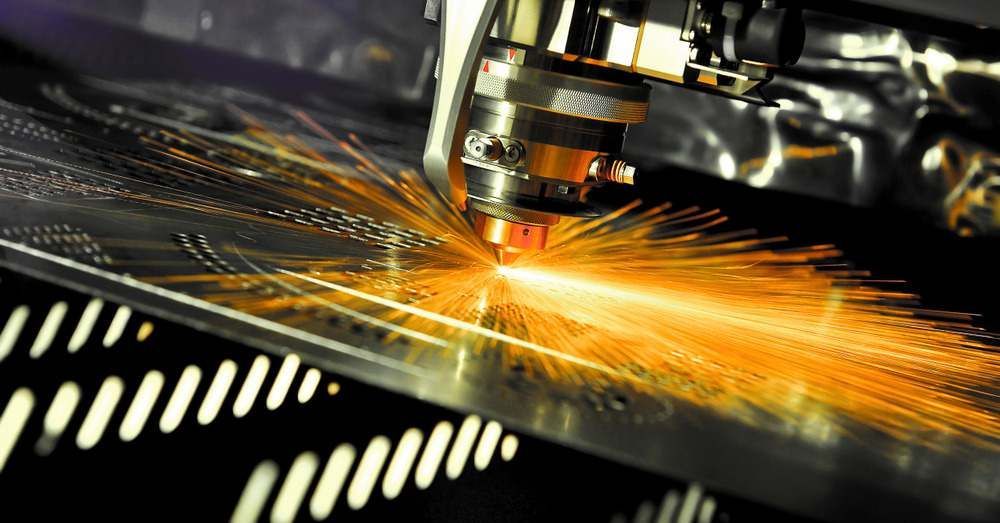
- Plasma and mechanical cutting
- Press brake forming and bending
- Machining and drilling operations
- Structural welding and assembly
- Custom component manufacturing
These fabrication capabilities allow workshops to produce highly customised solutions. Mild steel’s adaptability remains one of its greatest advantages in fabrication environments.
Cost Efficiency Without Sacrificing Performance
Material selection often involves balancing performance with cost. Mild steel offers a practical middle ground by delivering dependable structural performance without the expense of specialised alloys.
For many industrial and agricultural projects, this cost efficiency makes a significant difference. Fabricators can produce strong components without dramatically increasing project budgets.
Cost-related advantages include:
- Wide availability across fabrication suppliers
- Relatively lower material costs compared to specialised metals
- Efficient machining and fabrication processes
- Reduced complexity during welding
- Long-term practicality for structural applications
Because mild steel combines affordability with reliability, it remains a practical option for projects requiring structural durability.
Maintenance, Coatings And Longevity Considerations
While mild steel offers excellent fabrication properties, its long-term performance often depends on appropriate surface protection. Environmental exposure can lead to corrosion if the material remains untreated.
Protective finishes and coatings help extend the lifespan of fabricated components.
Common protective approaches include:
- Galvanising to resist corrosion
- Protective paint systems
- Powder coating for durable surface finishes
- Regular inspection of structural components
- Scheduled maintenance in harsh environments
When properly protected, mild steel components can perform reliably for many years. Maintenance planning ensures fabricated structures continue operating effectively.
Custom Fabrication And The Ongoing Role Of Mild Steel
Custom fabrication often requires materials that balance structural reliability with adaptability. Mild steel continues to meet this requirement across many industries. Its predictable behaviour allows fabricators to design components that match specific operational needs.
From structural frames to machinery components, mild steel supports both one-off projects and ongoing production work.
Typical fabrication outcomes include:
- Custom-built structural frames
- Equipment modification and repair
- Specialised mounting components
- Agricultural infrastructure fabrication
- Tailored industrial equipment parts
These projects demonstrate why mild steel remains central to fabrication workshops. Its versatility ensures it continues supporting a wide range of engineering and manufacturing applications.
Here at Agriweld Engineering, we provide professional steel fabrication in Dubbo for agricultural and industrial projects requiring reliable welding and custom metalwork. Our team works with engineers, manufacturers and equipment operators to produce fabricated components designed for practical use in demanding environments.
Visit the website to discuss your fabrication project and explore how mild steel can support your structural or machinery requirements.