Plasma Cutting Vs Oxy Cutting: What’s The Difference?
Metal cutting plays an important role in fabrication, manufacturing, repairs and heavy industrial work. For businesses looking for plasma and oxy cutting in Dubbo, understanding how these two methods differ can help when planning fabrication work or selecting the right cutting solution for specific materials and applications.
Both plasma cutting and oxy cutting are widely used across agriculture, mining, engineering and manufacturing industries. While both methods cut metal effectively, they operate very differently and each offers distinct advantages depending on the job.
How Plasma Cutting and Oxy Cutting Work
Plasma Cutting
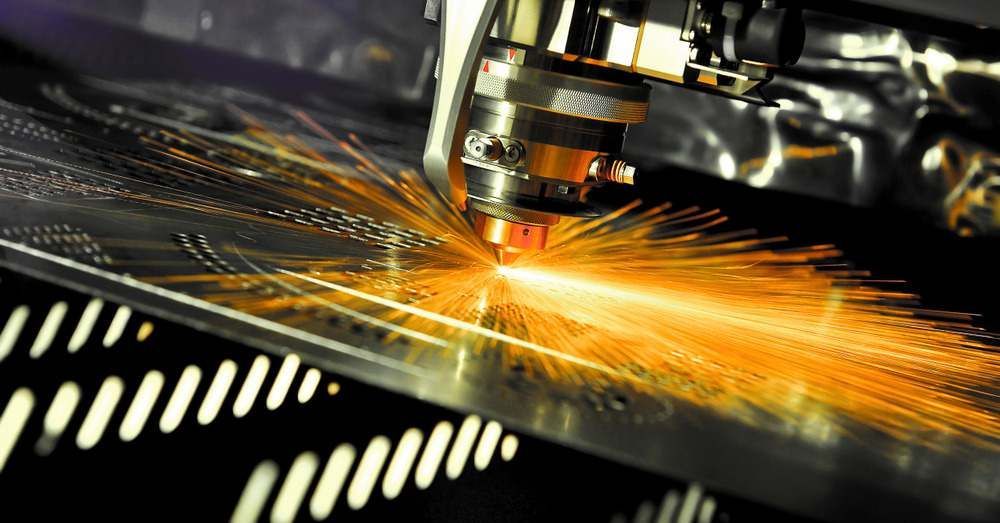
Plasma cutting uses an electrical arc combined with compressed gas to cut through conductive metals. The process creates an extremely hot plasma stream that melts the metal while the gas removes molten material from the cut path.
Plasma cutting commonly works with:
- Mild steel
- Stainless steel
- Aluminium
- Copper
- Brass
The concentrated plasma arc produces fast and accurate cuts while reducing distortion and improving edge quality.
Plasma systems are commonly used in fabrication environments where speed, consistency and precision are important. Plasma cutting is commonly used across steel fabrication in Dubbo for machinery components, repair work and fabricated parts that require accurate cutting and cleaner edge quality.
Oxy Cutting
Oxy cutting, also known as oxy-fuel cutting, uses oxygen combined with fuel gases such as acetylene, propane or LPG to cut through steel.
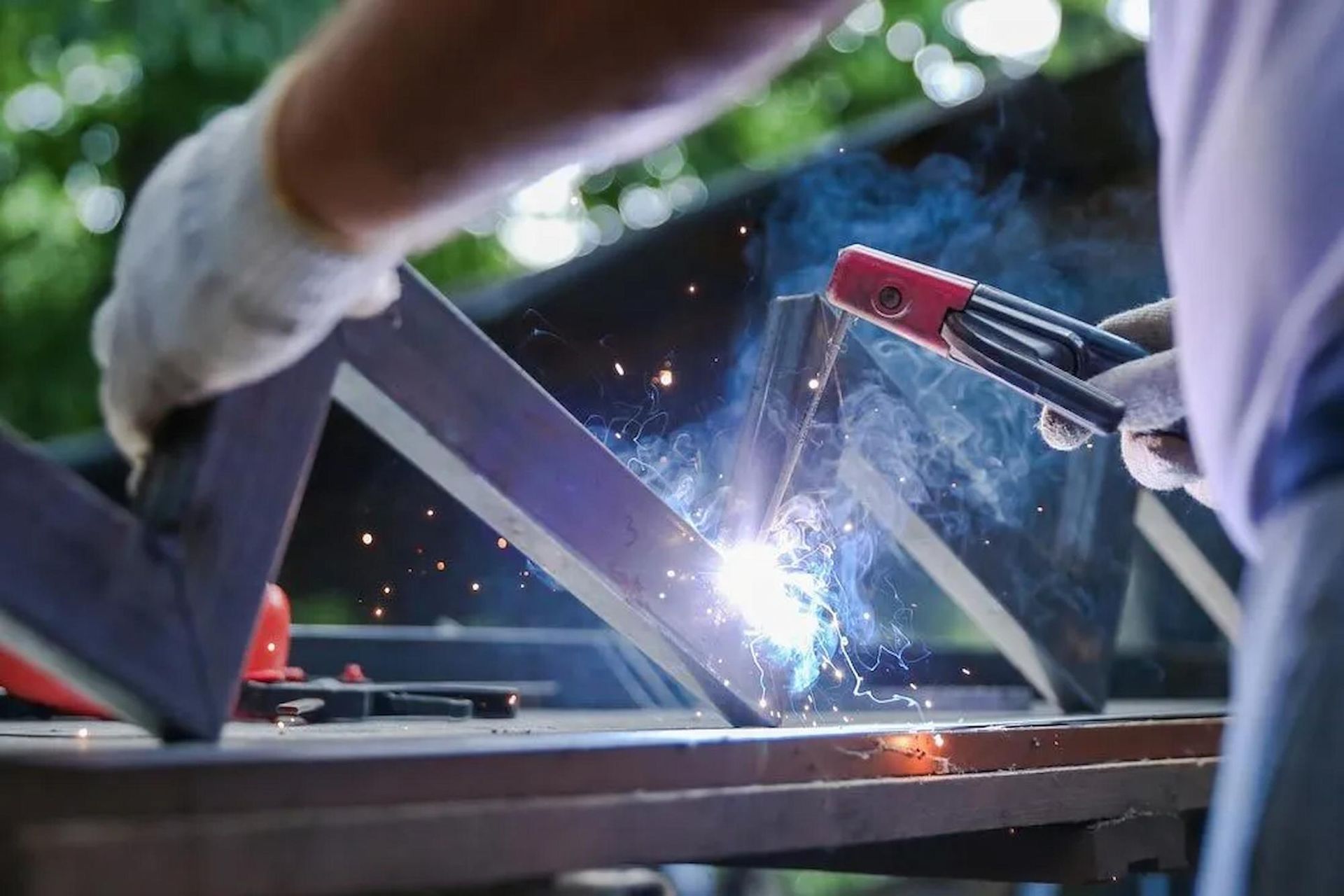
The metal is first heated to ignition temperature using a fuel gas flame. Once heated, a stream of high-pressure oxygen reacts with the steel and burns through the material to create the cut.
Unlike plasma cutting, oxy cutting relies on oxidation rather than electricity. This process works particularly well on thick carbon steel used in heavy industrial and structural fabrication.
Oxy cutting is often chosen for:
- Structural steel work
- Heavy plate cutting
- Agricultural equipment repairs
- Construction projects
- Industrial fabrication
The Biggest Differences Between the Two Methods
The main difference between plasma cutting and oxy cutting is the way each method cuts metal.
Plasma cutting uses electrically charged gas to melt conductive metals. Oxy cutting uses heat and oxygen to oxidise and burn through carbon steel.
This affects several important areas, including:
- Material compatibility
- Cutting precision
- Speed
- Thickness capability
- Operating costs
- Edge finish quality
Plasma cutting generally performs better on thin to medium-thickness metals and produces cleaner, more accurate cuts. Oxy cutting is often more effective for very thick carbon steel where extreme precision is not the main priority.
Material Compatibility
Material type is a major factor when choosing between plasma and oxy cutting.
Plasma cutting works with most electrically conductive metals, including:
- Stainless steel
- Aluminium
- Mild steel
- Copper alloys
- Galvanised steel
This versatility makes plasma systems useful for fabrication workshops handling a wide range of materials.
Oxy cutting mainly works on ferrous metals such as carbon steel. It is not suitable for metals like aluminium or stainless steel because they do not oxidise in the same way during the cutting process.
Plasma cutting generally offers greater flexibility across multiple metal types.
Cutting Speed and Precision
Cutting speed affects productivity and fabrication turnaround times.
Plasma cutting is generally much faster when cutting thin and medium-thickness metals. The concentrated arc allows operators to move quickly while maintaining accurate cuts and cleaner finishes. Plasma cutting also creates a more concentrated heat zone, which helps reduce distortion on thinner materials and detailed fabricated components.
Oxy cutting is slower but highly effective for thick steel sections commonly used in heavy fabrication.
Fabrication projects also require different levels of precision. Plasma cutting usually produces:
- Cleaner cut edges
- Narrower kerf widths
- Less slag
- Reduced heat affected zones
- Better dimensional accuracy
This makes plasma cutting suitable for detailed fabrication work with minimal finishing.
Oxy cutting generally creates rougher edges and larger heat affected areas. Additional finishing may sometimes be required. However, for many heavy industrial applications, the finish quality produced by oxy cutting remains more than adequate.
Thickness Capabilities
Material thickness strongly influences which cutting process is most practical.
Plasma cutting performs extremely well on thin and medium-thickness materials. Modern plasma systems can also cut thicker steel, although cutting speed may reduce as thickness increases.
Oxy cutting spreads heat across a larger area and remains highly effective for thick carbon steel used in heavy fabrication and structural work. This is one reason why it continues to be widely used across heavy engineering and structural fabrication industries.
Equipment and Operating Costs
Both cutting methods involve different equipment setups and ongoing operational costs.
Plasma cutting systems generally include:
- Electrical power supply
- Plasma torch
- Air compressor or gas supply
- Consumable electrodes and nozzles
Initial setup costs can be higher, especially for CNC plasma cutting systems used in advanced manufacturing.
Oxy cutting equipment usually includes:
- Oxygen cylinders
- Fuel gas cylinders
- Regulators
- Hoses
- Cutting torches
The setup is often simpler initially, although ongoing gas usage contributes to operating costs.
Cost-effectiveness depends on production volume, material type and usage frequency.
Common Applications for Each Method
Plasma Cutting Applications
Plasma cutting is commonly preferred for:
- CNC fabrication
- Automotive manufacturing
- Sheet metal work
- Stainless steel fabrication
- Aluminium fabrication
- Detailed component cutting
- Precision engineering
Its cutting accuracy and speed make it highly effective for projects requiring cleaner finishes and tighter tolerances.
Oxy Cutting Applications
Oxy cutting remains highly effective for:
- Heavy structural steel
- Thick plate cutting
- Industrial repairs
- Agricultural equipment maintenance
- Construction projects
- Demolition work
Its ability to cut thick carbon steel makes it valuable for large-scale industrial applications.
Choosing the Right Cutting Method
There is no single cutting method that suits every fabrication project. The right choice depends on several factors, including:
- Metal type
- Material thickness
- Required finish quality
- Precision requirements
- Production speed
- Budget
- Project scale
For businesses comparing plasma and oxy cutting in Dubbo, the most suitable option often depends on the level of precision required and the type of fabricated components being produced. Material quantities and project complexity can also influence which process is the most practical and cost-effective for the job.
Discuss the Right Solution for Your Project
Choosing the right cutting method depends on the material type, thickness and level of precision required. Each process offers specific advantages depending on the fabrication application and production requirements.
Agriweld Engineering provides plasma and oxy cutting in Dubbo for agricultural, industrial and general fabrication work. Our team works with a wide range of materials and components using reliable cutting methods suited to different production requirements. If you require custom metal cutting or support for steel fabrication in Dubbo, contact us today to discuss your project requirements.