Comparing Steel And Aluminium In Heavy-Duty Fabrication
Choosing the right material is one of the biggest decisions in heavy-duty
fabrication. Steel and aluminium can both produce strong, reliable components, but they behave differently under load, heat, vibration and long-term wear. For business owners and equipment operators, that difference shows up in performance, maintenance cycles and total cost over the life of the asset. A practical comparison helps you weigh up what matters most for your project, whether that is strength, weight, corrosion resistance, repairability or the realities of fabrication and lead times.
Strength & Load-Bearing Performance
Steel is usually the first choice for heavy-duty structures because it delivers high strength and stiffness across a wide range of applications. In real terms, that means steel components can handle heavier loads with less deflection, which is often critical for frames, mounts, supports and wear-prone parts.
Aluminium can still be strong, especially in structural grades, but it typically needs thicker sections or different profiles to achieve similar stiffness. That can be a smart trade-off when weight matters, but it needs to be engineered properly.
In strength discussions, it helps to consider:
- Yield strength and how the part handles peak loads
- Stiffness and how much the structure flexes in use
- Fatigue performance under repeated vibration
- Safety margin required for high-risk environments
For heavy-duty work where deflection and impact matter, steel is often the more straightforward solution.
Weight & Handling Advantages
Aluminium’s biggest advantage is weight. It is significantly lighter than steel, which can improve handling, transport costs and fuel efficiency where moving mass is a constant factor. Lighter components can also reduce strain on supporting structures and make installation easier.
That said, lighter does not always mean better. In some equipment, extra mass helps stability, reduces vibration and improves durability in harsh service conditions. The question is whether weight reduction delivers a real operational benefit or simply introduces new design constraints.
Weight considerations usually include:
- Ease of installation and site handling
- Transport efficiency and payload capacity
- Equipment balance and stability
- Whether thicker aluminium sections offset weight savings
If weight drives performance, aluminium can make sense, but the design needs to account for stiffness and wear.
Durability in Tough Operating Conditions
Durability is not just about resisting breaking, it is about how a material holds up after years of knocks, abrasion and stress. Steel tends to perform exceptionally well in harsh mechanical environments. It handles impact loads, torsion and shock with a level of predictability that is ideal for heavy-duty fabrication.
Aluminium can still be durable, but it is often more vulnerable to surface damage in abrasive settings. In applications where parts face constant contact, rubbing or material flow, aluminium can wear faster unless protected or designed with replaceable wear surfaces.
Durability depends on:
- Abrasion exposure and surface wear rate
- Impact frequency and severity
- Vibration and fatigue loading
- Protective finishes and maintenance practices
For equipment that sees harsh treatment, steel usually offers stronger long-term resilience.
Corrosion Resistance & Environmental Exposure
Corrosion behaviour can strongly influence material choice, especially in outdoor or wash-down environments. Aluminium naturally forms a protective oxide layer that helps it resist corrosion in many conditions. That makes it appealing for certain exposed applications, particularly where weight also matters.
Steel can also be protected effectively, but it typically relies on coatings, paint systems or material selection to manage corrosion risk. In heavy-duty fabrication, surface prep and coating quality become important parts of the overall outcome.
Environmental considerations include:
- Exposure to moisture, chemicals or salt spray
- Whether components are painted, coated or left bare
- Ease of cleaning and inspection
- Expected service life between refurbishments
Neither material is automatically better in every environment, but corrosion planning needs to be part of the fabrication conversation.
Cost, Value & Total Ownership
Material cost is only one part of the picture. Aluminium often costs more per kilogram, but weight savings can reduce transport and installation costs. Steel is commonly more cost-effective as a raw material, but coatings, handling weight and long-term maintenance can influence the final economics.
The more useful comparison is total cost over the component’s working life. That includes fabrication time, repair cycles, replacement frequency and downtime costs when parts fail or wear out.
A practical cost comparison should include:
- Raw material cost and availability
- Fabrication time and complexity
- Maintenance and repair frequency
- Downtime impact and replacement cycles
For heavy-duty applications where parts must last, steel often delivers strong value through longevity and repairability.
Fabrication & Welding Considerations
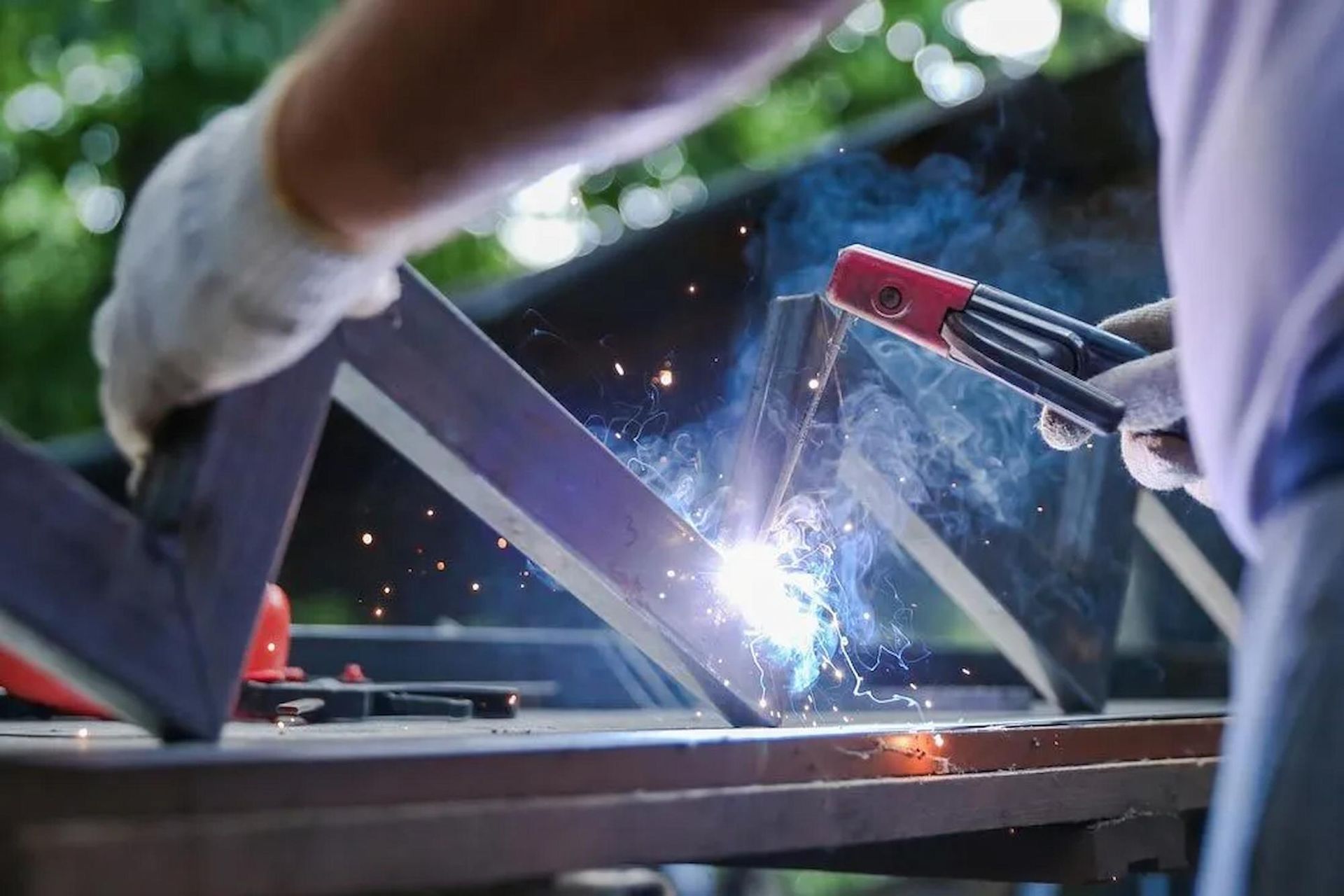
Both materials can be fabricated well, but they require different skill sets and processes. Steel is widely welded and fabricated with common methods, making it versatile across a broad range of projects. It is often more forgiving during welding and repair, which matters when equipment needs to be fixed quickly.
Aluminium welding can be more sensitive to technique and preparation. It often requires cleaner conditions and more specialised processes to achieve consistent results. That does not make it a poor choice, but it does mean the fabrication plan must be deliberate from the start.
Fabrication considerations include:
- Welding method suitability and joint design
- Heat distortion and finishing requirements
- Cutting, bending and forming processes
- Repair practicality in the field
For heavy-duty components that may need modification or repair, steel is frequently the simpler and more robust option.
Wear Resistance & High-Impact Zones
In many heavy-duty applications, wear resistance is a deciding factor. Steel can be selected in grades that perform well under abrasion and impact, and it can also be combined with wear plates to protect critical zones. This is often essential for machinery, chutes, guards and components that are constantly exposed to friction or material flow.
Aluminium is generally not the go-to for high-wear zones without additional protection. It can still be used effectively where abrasion is minimal or where replaceable liners are part of the design.
Wear-focused questions to ask include:
- Where abrasion and impact occur on the component
- Whether wear plates or sacrificial parts are practical
- How often the part will be inspected and serviced
- Whether weight savings outweigh faster wear
For demanding wear environments, steel and wear plate solutions usually provide stronger long-term outcomes.
Suitability for Common Heavy-Duty Applications
Material choice should align with real operating demands rather than assumptions. Steel is often suited to structural frames, brackets, mounting plates, heavy machinery components and high-load assemblies. Aluminium tends to suit applications where weight reduction improves performance, or where corrosion resistance is a priority and loads are more controlled.
The best approach is to match the material to the job, then engineer the design to support long service life.
Typical suitability considerations include:
- Structural load and stiffness requirements
- Exposure to abrasion, impact and vibration
- Maintenance access and repair expectations
- Weight impact on performance and handling
A well-chosen material reduces risk, improves reliability and helps control long-term costs.
Making the Right Choice for Your Project
Steel and aluminium both have a place in heavy-duty fabrication, but they solve different problems. Steel is usually the safer bet for high-load, high-wear and high-impact environments where long-term durability is non-negotiable. Aluminium can be a smart choice when weight savings deliver a real operational advantage, but it often needs more careful engineering to match stiffness and wear requirements.
The best decision comes from looking at the actual working conditions, not just the material specs on paper. A short consultation early in the design stage can prevent costly rework later.
Key decision points include:
- What loads, impacts and wear the part will face
- Whether weight reduction provides a real benefit
- How the part will be maintained or repaired over time
- What fabrication methods suit the design and timeline
Choosing based on real use cases leads to better outcomes.
Talk With a Heavy-Duty Fabrication Team That Understands Real-World Demands
At
Agriweld Engineering, we help business and equipment owners choose materials and fabrication methods that suit tough working conditions in Dubbo. If you need practical guidance or precision fabrication support for
steel fabrication Dubbo projects rely on, our team can assist from design through to production using proven processes and durable materials.
Contact us to discuss your next heavy-duty fabrication job.